In a World of Climate “Doomism,” Inspiration Prevails
This month, CAVU Education Coordinator, Lucy Sullivan, joined educators, students, and sustainability leaders at the NYC Green Schools Conference to share and discuss how solutions-based climate education overcomes “doomism” in young people.

By Lucy Sullivan
CAVU Education Coordinator
As I prepared my panelist notes for this year’s New York City Green Schools Conference, I took the opportunity to really reflect on the panel’s main theme: how can creativity, technology, community action and interdisciplinary education help us respond to the climate challenges facing communities around the world?
For me, that question is both academic and deeply personal.

I was born and raised in Wilson, Wyoming, where you can’t escape forming a profound connection to the outdoors and the landscapes that shape how communities live, work, and understand themselves. Growing up close to the mountains (Grand Tetons), with their clear spring runoff, and lush temperate forests, it’s not hard to notice the changes happening to these unforgettable landscapes. Year after year now, unpredictable seasons, weather, and a growing question of uncertainty in an iconic landscape that many livelihoods and communities hold sacred, have me focused on what can be done through education to support and incubate the solutions needed to address this crisis.
Since coming to New York City to attend university, I’ve focused my studies and work on environmental justice, policy, and community-based advocacy. Through my studies I’ve become intrigued on how to turn climate “doomism” into hope by making it accessible, factual, and supportive of our youngest and brightest.
At this year’s New York City Green Schools Conference, I joined the panel “Youth Climate Leadership: From Learners to Changemakers” and had the opportunity to meet inspiring attendees like the UN Youth Delegate from Ireland, Adam Ó Ceallaigh, hear from fellow panelist and Co-Chair of the New Jersey Sierra Club Student Action Committee, Anushka Durai, and learn about remarkable student achievements happening around the world. The experience reinforced a powerful idea: inspiration, creativity, and collaboration can be more effective ways to teach climate science than fear-based lessons. It also reminded me that those best positioned to imagine climate solutions are often the young people growing up with these challenges today.
That same idea is at the heart of CAVU’s Climate Innovation Challenge.
The Climate Innovation Challenge brings STEAM learning to life by asking students to do more than study climate change as a distant or overwhelming problem. Students investigate real issues, connect those issues to their own lives and communities, and use storytelling to explain both the challenge and the solution they imagine.
“When students connect climate science to their own lives, they see themselves as part of the solution and carry that with them back to their communities and beyond.”
In practice, that can look many different ways.
It looks like fourth graders in New Mexico building a Bee Hotel to support pollinators that help sustain healthy ecosystems and food systems. It looks like students exploring resilient indigenous gardening practices like Waffle Gardens, that have supported communities in dry climates, handle drought for over a millenia. It looks like students in Africa designing a Vertical Kitchen Garden or a Multi-Purpose Pyramid Garden to efficiently use local resources to grow food in more productive ways. It looks like students in India, using the physical properties of heat to sustainably power vehicles.
These projects show what makes the Climate Innovation Challenge so different. Science gives students the tools to understand the problem. Technology, engineering, and math help them test and strengthen their ideas. Art, communication, and storytelling help them share those ideas in ways people can understand and remember.
That combination matters because climate education should not leave young people feeling powerless. It should help them build confidence, ask better questions, and see that their ideas have value.
As we kick off a new school year, the CAVU team is excited to welcome more teachers and students into the Climate Innovation Challenge. Whether you are an educator looking for a meaningful STEAM curriculum, a student with an idea for your community, or a school ready to bring climate learning to life, CAVU’s Climate Innovation Challenge is here to support you.
Registration for this year’s Climate Innovation Challenge is now open.
Teachers and students can register at www.cavu.org/takethechallenge to access CAVU’s curriculum, receive support from our education team, and submit student climate solutions to the year-end CAVU Student Showcase for a chance to win cash prizes.

Meet the Newest Members of CAVU’s Climate Innovation Challenge Youth Advisory Board
Climate change feels like something adults are always talking about, but the young people on CAVU’s CIC Youth Advisory Board are asking big questions and coming up with ideas that deserve to be heard.
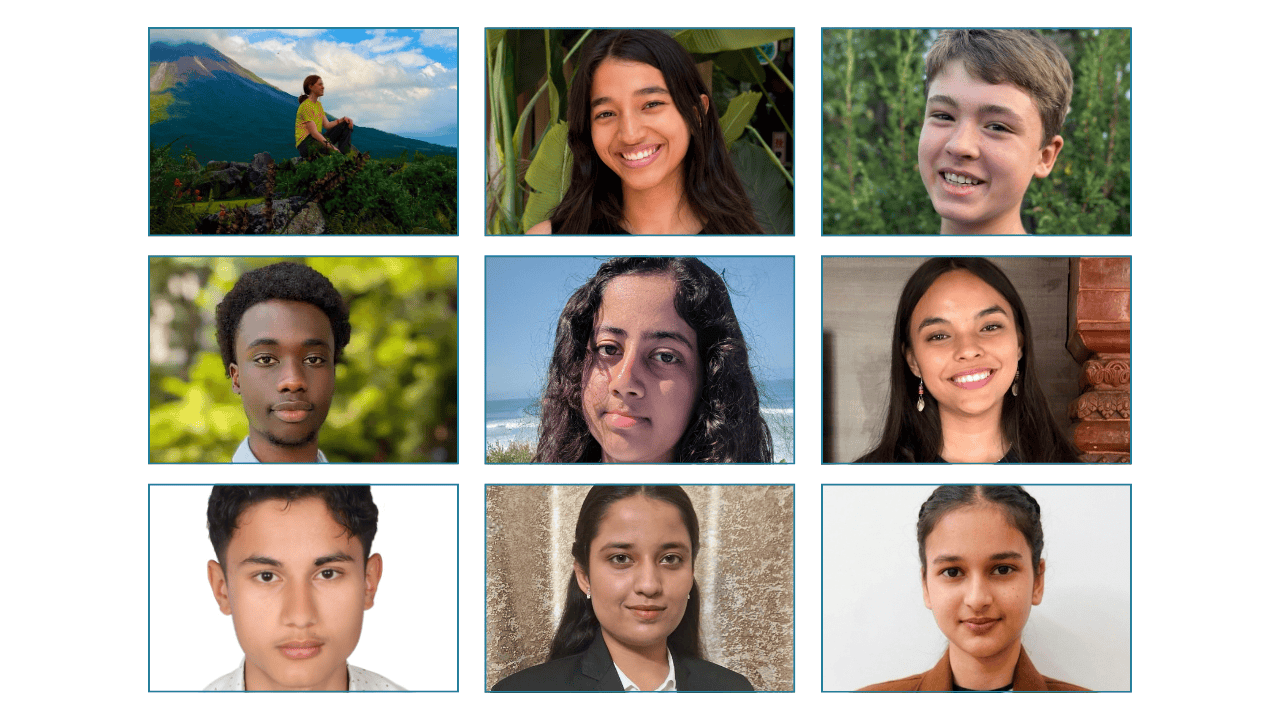
CAVU is very excited to announce this year’s latest CIC Youth Advisory Board (CICYAB) cohort! Joining returning members are new faces from around the world who are motivated to grow their projects and ideas beyond the Climate Innovation Challenge.
This year’s board brings together four returning youth leaders and eight new members from Nepal, India, Kenya, and the United States: Neeharika Shrestha, Aarna Vyas, Arpan Bahadur Dotel, Tanishreet Kaur, Gurveen Kaur, Ian Nasio Wycliffe, Peninah Esther, Shalon Kerubo, Joel Hoffman, Shanaaya Chaudhary, Bleakley Shettle, and Alexander Nygang’iti.
Together, they join a growing group of members whose leadership is already visible through real climate work. Like, Alexander Nyang’iti of Kenya created ForestNukes, a Miyawaki-inspired seed-bombing reforestation system that won the 2024/2025 CIC Founder’s Award, and has mentored students across Kenya in climate storytelling. Or, Arpan Bahadur Dotel helped create Project Tapari, this year’s Founder’s Award winner from Nepal, which connected environmental problem-solving with culture, community, and practical design, and Gurveen Kaur who led a plastic waste collection, segregation, and EcoBrick-making through her Plastic to Purpose initiative, while Neeharika Shrestha founded Project Neeharika, using music and community action to promote environmental awareness.
The CICYAB gives students expanded leadership opportunities to help guide CIC program review and development, while also receiving mentorship and professional development support from CAVU and its partners.
We hope you will follow along, learn more about this year’s members, and consider joining a future cohort.
Visit cavu.org/youth-advisory-board to meet the full board, and follow them on Instagram @CICYouthAdvisory.
Learn more about the Climate Innovation Challenge at cavu.org/takethechallenge.
Subscribe to CAVU’s newsletter to be the first to know when applications open for the next CICYAB cohort.

Dedicated to the student solutions that power a brighter future for our entire planet.
Climate Resilience Begins in Ordinary Places
We often talk about climate resilience as if it belongs to the world of big systems: infrastructure, policy, technology, national plans. And of course, it does.
But resilience also lives in smaller, more ordinary places. A school lunch line. A compost bin. A student choosing not to waste food. A classroom asking what happens after something is thrown away
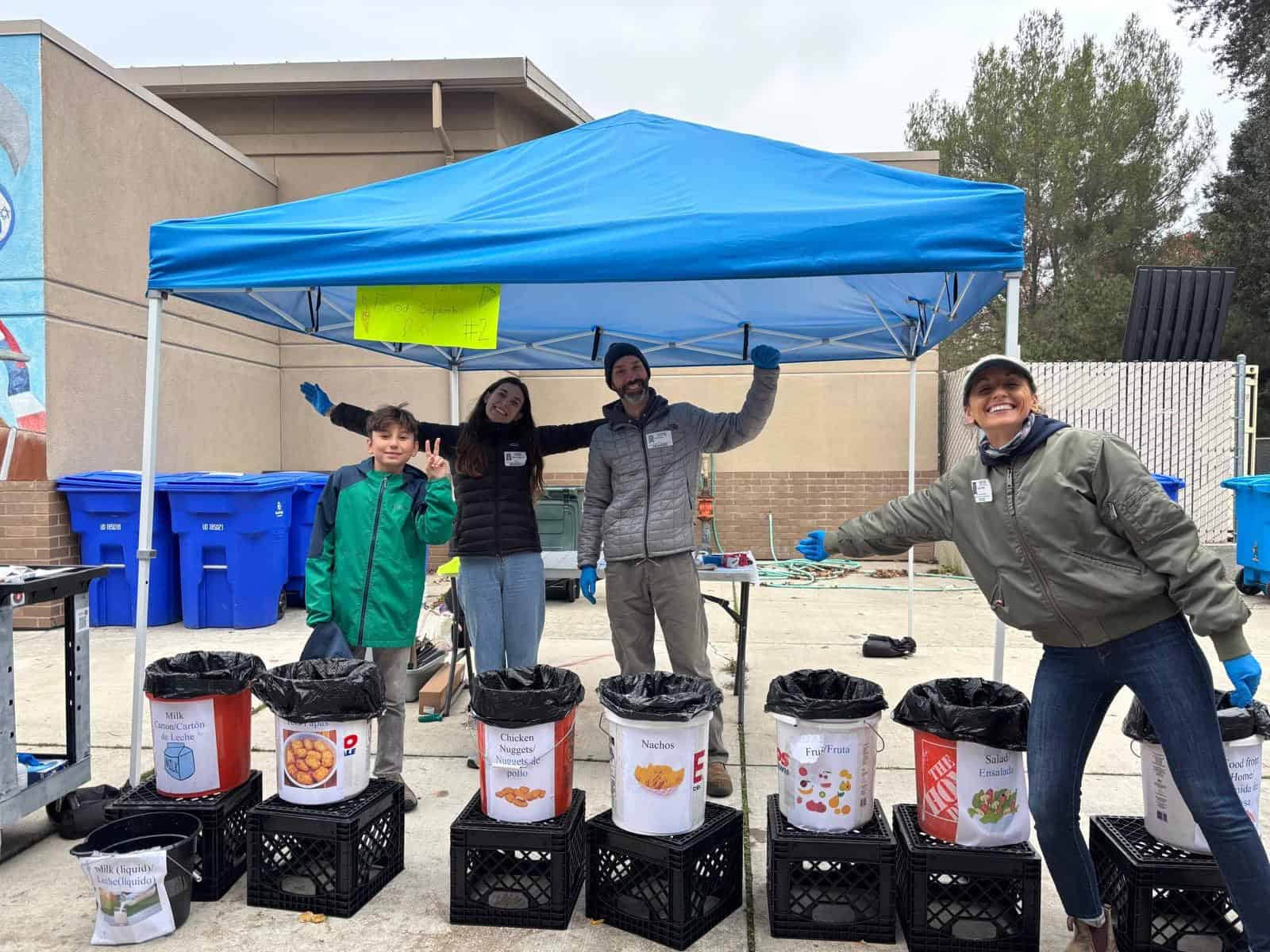
That is what makes a recent story from Montgomery Elementary School in Davis, California so compelling. There, parent volunteers help students sort compost, recycling, and trash into the right containers. Unopened food is placed in an ice chest so families can take it home after school. Each day, about 20 pounds of fruit and 40 to 50 school milk cartons are redistributed instead of wasted.
This is not flashy climate action. It is not the kind of solution that usually dominates headlines. But it shows something essential: the habits that shape our climate future are built through daily practice.
Food waste is not just a lunchroom problem. When food waste goes to landfills, its potential as compost is lost, and greenhouse gases are produced. That means the simple act of sorting waste correctly is also an opportunity for education. Students begin to see the food system as a cycle: from seed, to table, to compost, into soil, and back again.
That same idea runs through CAVU’s Climate Innovation Challenge.
In Kenya, students Ben, Pheima, Vincent, Laurence, and Nashon from St. Mary’s Nyalenda Comprehensive School created “Green Impact Innovators,” a middle school initiative project focused on the food cycle in their neck of the woods. From tree planting, composting, and climate-smart agriculture. Their project connects local environmental learning to food security and community resilience.
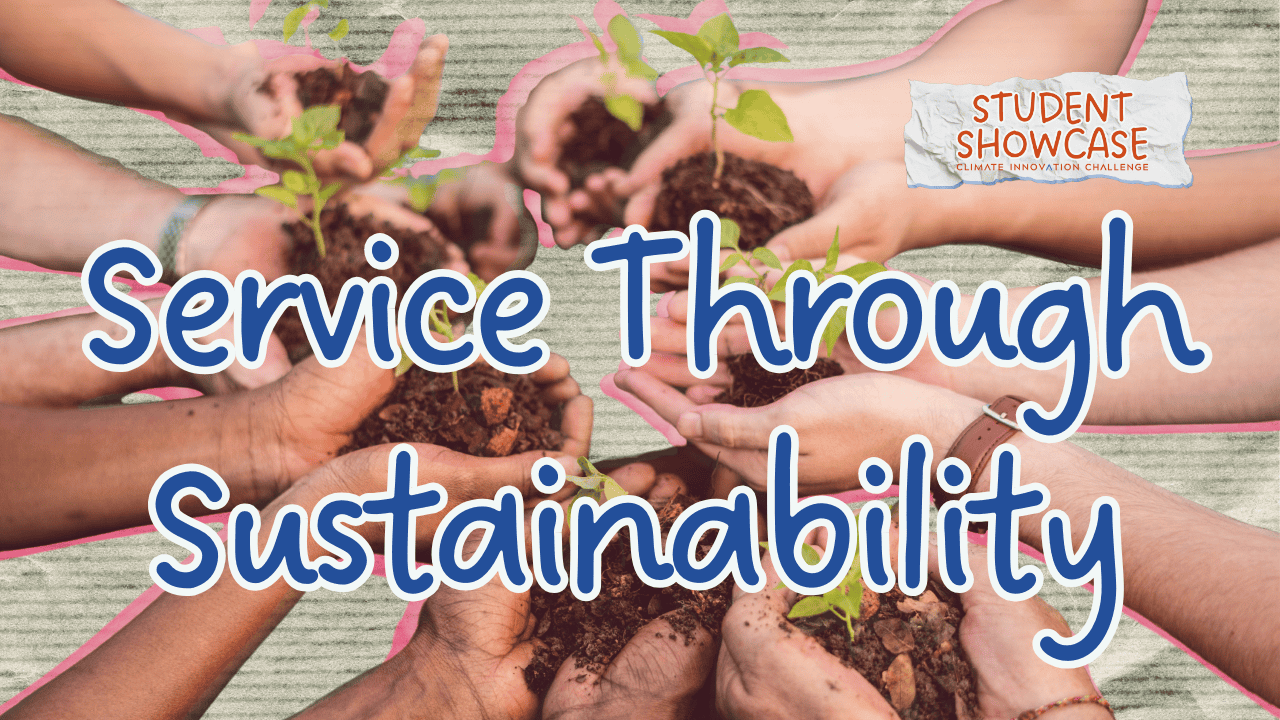
In India, students Hayagreev, Anusha, Veduruvada, Godha, Anika, Madhura, Karen, and Jassmitha from Chirec International School created “Service Through Sustainability,” a high school project showing how everyday choices can protect precious resources, reduce harm, and build cooperation.
The lesson from communities around the world is simple, but powerful: climate resilience is not something we wait for leaders to deliver. It is something students can practice, test, and build where they are.
Watch these student projects and many others on YouTube @CAVUorg, and learn more about the Climate Innovation Challenge at cavu.org/takethechallenge.
Want the spotlight on your climate solution? Submit it to daniel@cavu.org

Webinar Support Available for Busy Educators Bringing CIC to the Classroom
Bringing the Climate Innovation Challenge into your classroom does not mean you have to have every answer, build a brand new unit from scratch, or be a climate expert. That’s where CAVU’s education team is here to help.
As classrooms around the world get into the full swing of the school year, CAVU’s education team is supporting educators through our webinar series designed to help guide you and your students through the Challenge step by step.
The series walks participants through the full process: helping students find a climate issue they care about, researching local solutions, shaping their story, producing a video, and preparing their final submission.
It all begins by understanding your “Climate Entry Point,” which focuses on a simple idea: students begin the CIC with identifying what already matters to them. That might be food, water, the clothes they wear, the phones they text on, the sports they like to play, or a problem they notice in their own community.
With the right support, the Climate Innovation Challenge can be a meaningful, creative, and manageable classroom experience that helps move your students from knowledge to action and hope.
Interested in a CIC webinar for your school, classroom, or community? Reach out to rebecca@cavu.org to connect with CAVU’s education team to learn more about our free support services.


Hi, I'm Lucy
Lucy's Recent Updates
View All Updates from LucyMore Posts You Might Like
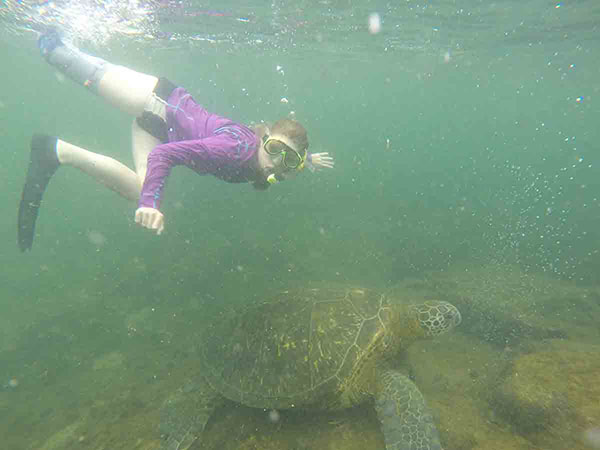
16-Year-Old Eco Warrior
CAVU had the opportunity to speak with and conduct a first on-camera interview with a young woman who has accomplished more in her 16 years…
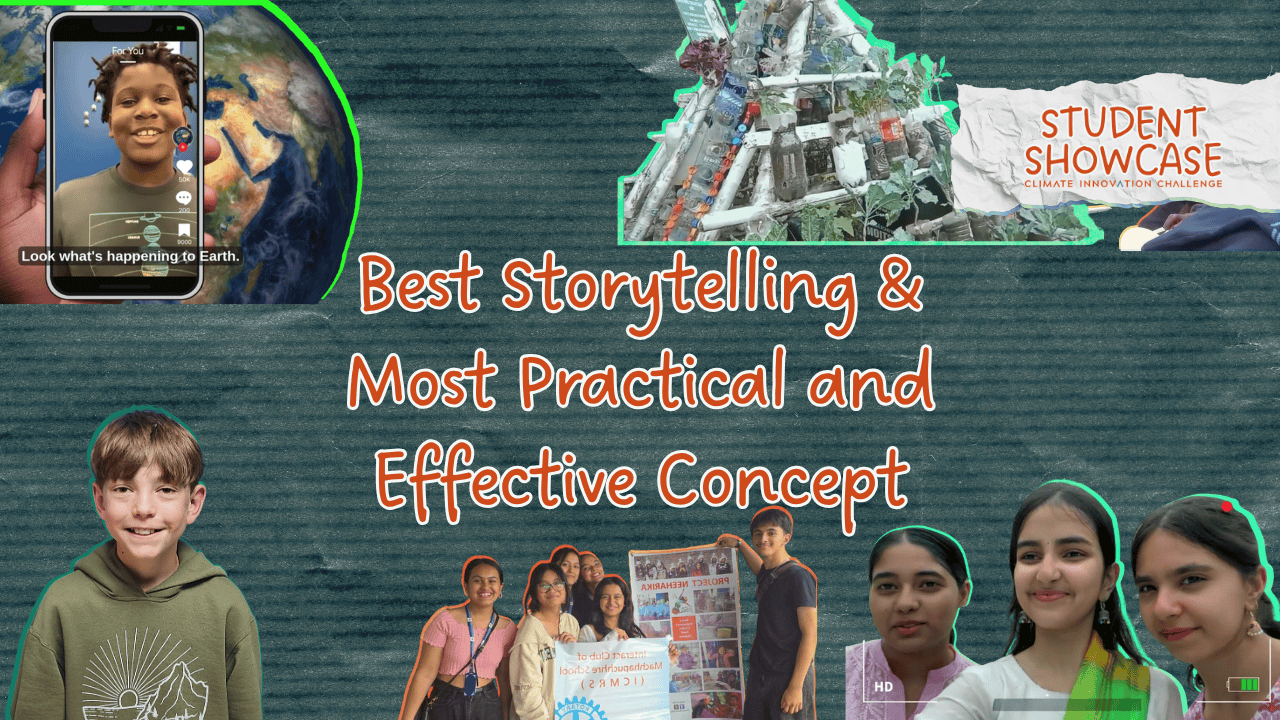
2026 Student Showcase: Best Storytelling and Most Practical & Effective Concept
Across this year’s CAVU Student Showcase, students didn’t just learn about climate change—they told stories, built solutions, and showed what’s possible when young people are…

Ahead of the Tide Makes a Splash in Florida
Since February, CAVU’s most recent campaign Ahead of the Tide has reached more than a million people throughout the state of Florida, around the country and the globe…
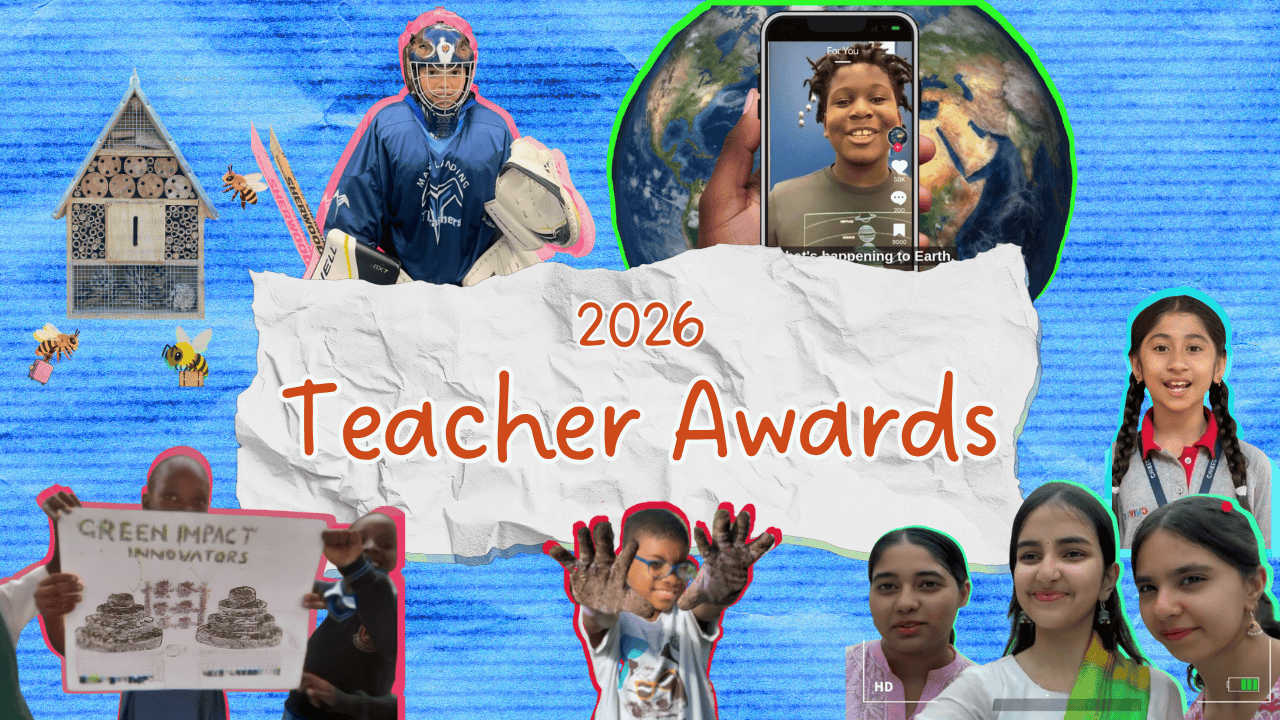
2026 Student Showcase: Celebrating the Educators Behind the Climate Innovation Challenge
As we bring this year’s CAVU Student Showcase to a close, we want to wrap things up by recognizing a group of people without whom…