
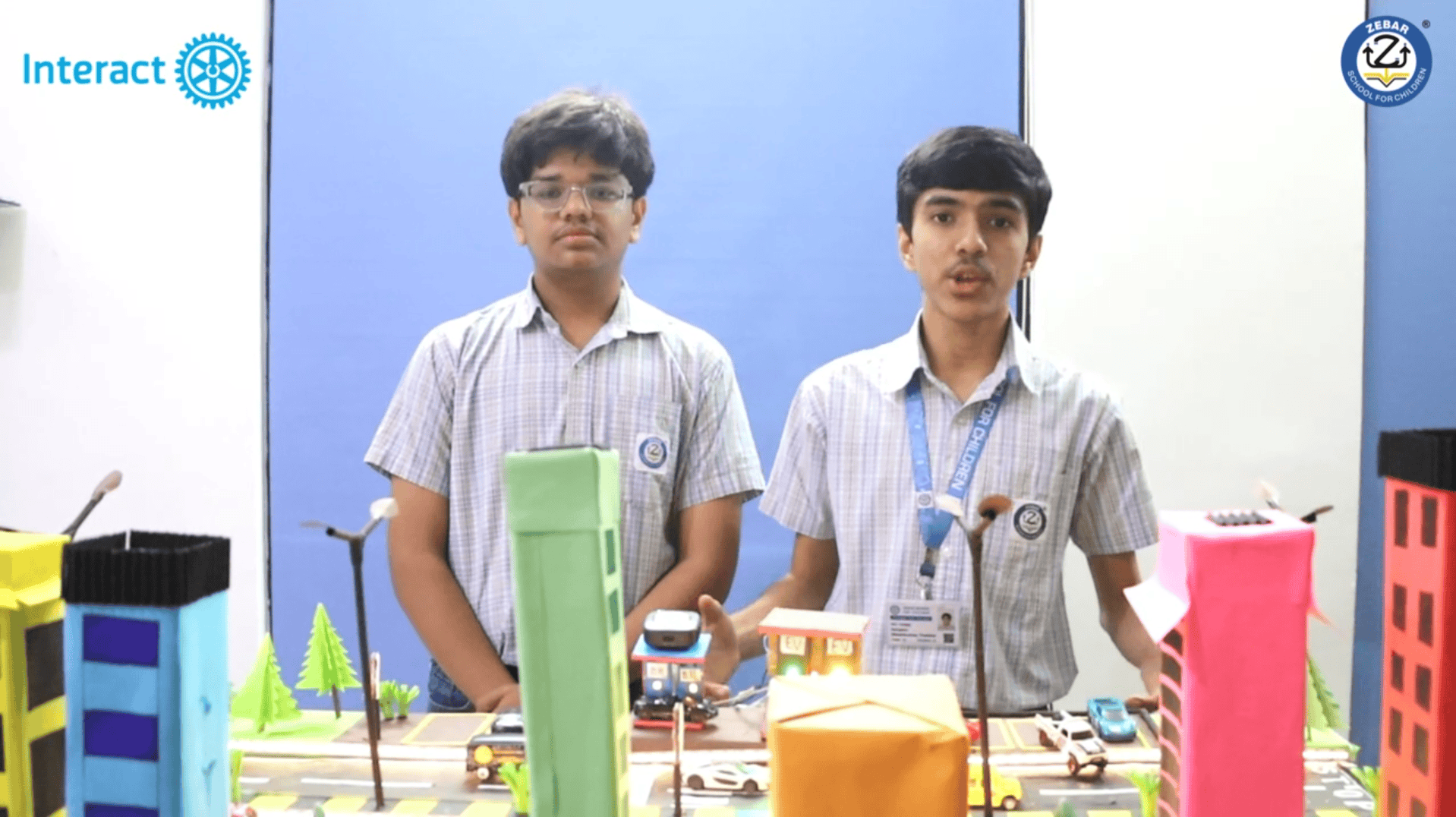
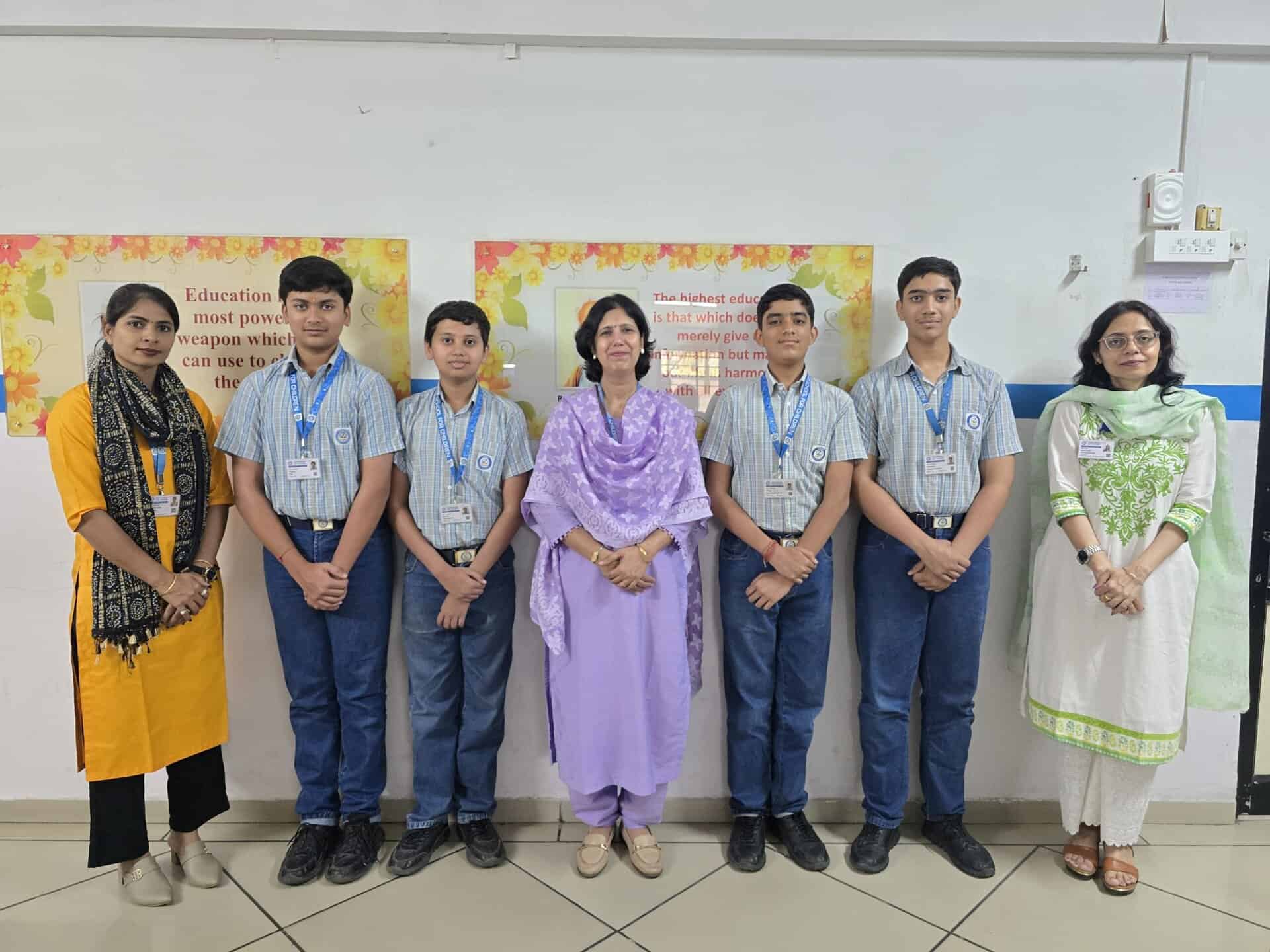
In Ahmedabad, India, students at Zebar School for Children aren’t just learning about climate change, they’re engineering solutions.
For the past three years, educator Ayushe Bansal has brought the Climate Innovation Challenge (CIC) into her classroom, guiding students through a structured curriculum, a step-by-step journey from identifying environmental problems to designing practical and innovative solutions.
At the heart of the experience is the curriculum itself.
CIC doesn’t ask students to simply present facts about climate change. Instead, it challenges them to think like innovators. Students begin by identifying real environmental issues in their community and beyond. They brainstorm possible solutions. They research. They refine. And eventually, they move toward implementation, asking themselves: Is this realistic? Is this scalable? Is this impactful?
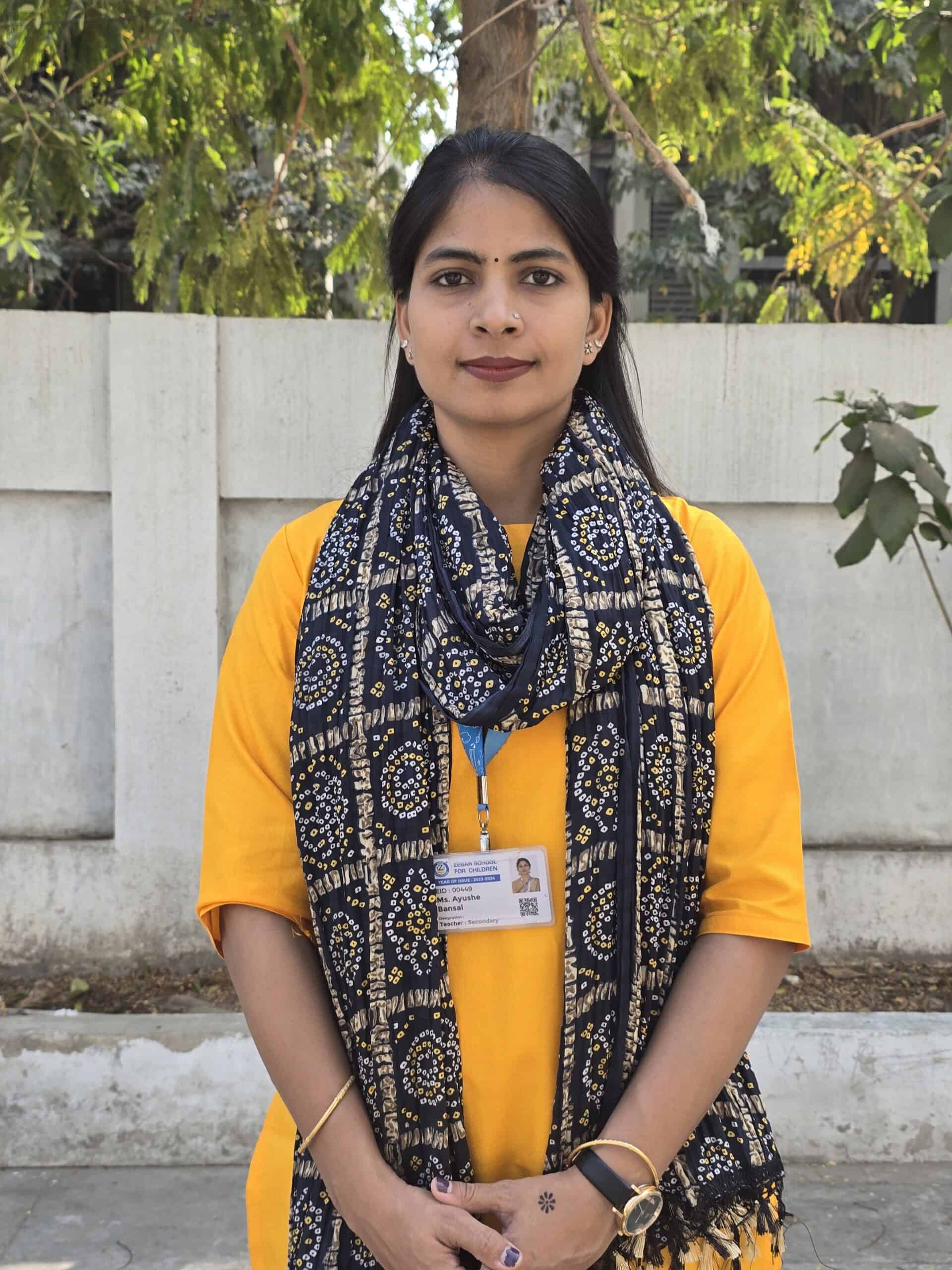
“With the curriculum provided by CIC, my students plan and work step-by-step to address environmental issues,” Ayushe explains. “They identify problems, brainstorm solutions, and then implement practical and cost-effective ideas.”
That process matters. Because when students are given both structure and freedom, remarkable things happen.
Last year, Ayushe’s students surprised even her.
After identifying waste heat and tire dust as underutilized byproducts contributing local pollution, students explored how thermal energy could be converted into electricity. Using a Peltier module — a device that generates electricity from temperature differences — they designed a concept that could harness tire dust and heat to generate power.
Their proposed solution could potentially support EV charging stations and street lighting.
It was bold. It was technical. And it was entirely student-driven.
“It is remarkable to see such young minds come up with game-changing ideas,” Ayushe shared.
What makes this project powerful isn’t just its ingenuity, it’s the pathway that led there. Students didn’t jump straight to a flashy idea. They followed a process. They asked questions. They examined feasibility. They connected environmental impact with science, math, and engineering principles. They thought about cost and practicality.
In doing so, they developed something even more important than a project: confidence in their ability to solve real-world problems.
This is what the Climate Innovation Challenge makes possible.
And from a classroom in Ahmedabad, those ideas ripple outward.
Check out our full YouTube library of CAVU student videos!
Hi, I'm Daniel
New Mexico
Daniel Marzec is a dynamic and creative communications professional with over a decade of experience leading teams and crafting messaging. A passionate storyteller with a strong record of leadership, collaboration, and coordination, he thrives on turning complex topics into clear, engaging content that reaches and inspires wide audiences.
View Full ProfileDaniel's Recent Updates
View All Updates from DanielMore Posts You Might Like
16-Year-Old Eco Warrior
CAVU had the opportunity to speak with and conduct a first on-camera interview with a young woman who has accomplished more in her 16 years…
And just like that, we’re getting to work on climate!
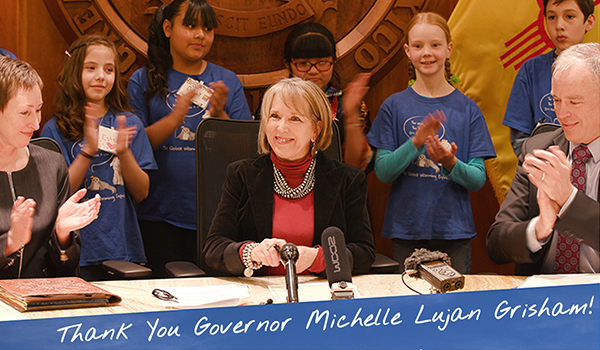
In an exciting stroke of the pen, Governor Michelle Lujan Grisham announced this week that New Mexico will join the U.S. Climate Alliance, adding New…
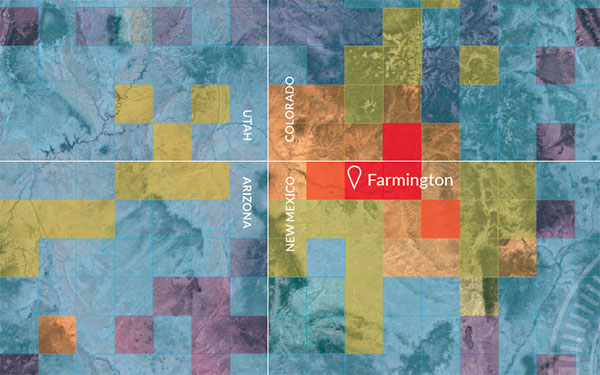
Methane is a Hot Issue in New Mexico
CAVU and the Rio Grande Chapter of the Sierra Club recently created a successful partnership conducting overflights and producing a short video highlighting major areas of pollution…
Unearthed Launch Event
CAVU is set to launch Unearthed: Exploring Oil & Gas Issues in New Mexico at the Lensic Performing Arts Center in Santa Fe on Thursday, November…